
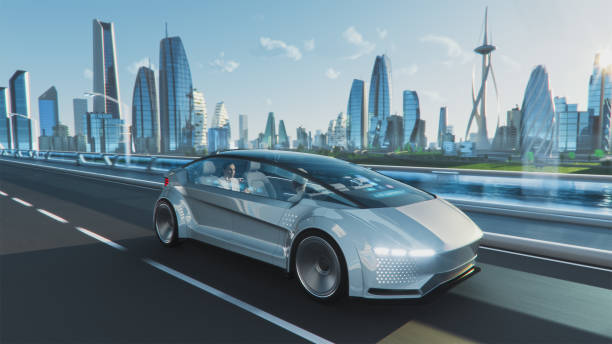

The hype vs the actual roads
If you scroll through Twitter—or sorry, X now (I still call it Twitter, sue me)—you’ll see half the people hyping self-driving cars as the “next big thing” and the other half making memes about Teslas crashing into lamp posts. The truth probably sits somewhere awkwardly in the middle. Like yes, the tech is super impressive, cameras and sensors spotting things faster than our sleepy human eyes at 2 am. But also… would you trust a car to drive you home after a late-night party when even your Uber driver sometimes misses the turn? That’s the kind of question people keep asking.
The awkward trust problem
Let’s be real, self-driving isn’t just about tech. It’s about trust. Like, you remember the first time you used UPI or Google Pay? You kept staring at your screen thinking, “Did my money really go?” That’s exactly the vibe people have with self-driving cars. According to one random survey I saw (I think it was in Statista or maybe Reddit shared it), nearly 60% of people still say they wouldn’t sit in a fully autonomous car without a driver backup. So the barrier isn’t only about machine learning models getting smarter, it’s about convincing human brains that letting go of the steering wheel won’t equal instant death.
Accidents get all the spotlight
Here’s the funny bit: normal human drivers crash ALL the time. Like, literally 1.3 million people die in car accidents every year worldwide. But when one self-driving car messes up, the internet explodes. Hashtags trend. People start saying “see, machines can’t be trusted.” I get it, one death from a robot feels scarier than thousands from humans. But logically? If the tech can even cut road deaths by 30%, that’s saving hundreds of thousands of lives. Still, fear beats math when it comes to public opinion.
Jobs, chaos and those awkward cab drivers
The elephant in the room nobody really likes to talk about: jobs. If self-driving cars really take over, what happens to millions of cab, truck, and delivery drivers? I had a cab driver in Mumbai once who joked, “When your robots take my job, will they also argue about traffic jams with you?” He laughed but you could tell the worry was real. The economic shift could be brutal—truck driving alone is one of the most common jobs in the US. Imagine replacing all of that with software updates and sensors. Smooth for companies, not so smooth for workers.
The government mess
Even if the tech is ready, the rules aren’t. Countries can’t agree on basic stuff like helmet laws, so expecting them to sort out liability in a self-driving crash feels… optimistic. Like, if a self-driving Uber hits someone, do you sue the carmaker, the software company, or Uber? Or just the poor passenger who was eating chips while the AI messed up? Regulators are scratching their heads big time. And honestly, I don’t see a global standard happening anytime soon. Each city is already running their own little experiments. San Francisco lets robotaxis roam at night. Meanwhile in India, good luck teaching an AI how to dodge cows, potholes, and random guys walking across the highway like they own it.
The tech flex
Don’t get me wrong—the innovation is mind-blowing. Cars literally mapping the environment in real time with LIDAR, predicting human behavior, avoiding accidents before they even happen. I once watched a video where a self-driving car braked early because it noticed a ball rolling across the street—before the kid chasing it even appeared. That’s some superhero-level reflex. But then again, the same systems sometimes freeze when they see a plastic bag floating in the wind. So yeah, genius tech… still kinda dumb in odd moments.
Are we emotionally ready?
Sometimes I feel it’s less about whether cars are ready, and more about us. Humans are control freaks. We like feeling the steering wheel, pressing the brake, even honking unnecessarily just to prove we exist. Giving all that up to an algorithm? That feels like handing your life to a stranger. Even though statistically, AI might eventually drive safer than humans, the feeling of safety is just as important as actual safety. That’s why marketing self-driving cars is such a challenge.
What social media says
Scroll through any Reddit thread on autonomous driving and you’ll see two camps: tech nerds screaming “this is the future, adapt or die” and average folks saying “no way I trust a robot with my kids in the back seat.” TikTok is even worse—people record self-driving fails for clout. One viral clip of a robotaxi blocking a fire truck got millions of views. Nobody cares about the 99 times it drives perfectly fine, only the one time it goofs up. Welcome to the internet.
The future isn’t far, but it’s messy
The big companies are already all-in. Tesla, Google’s Waymo, and even startups are pouring billions. They don’t really care if the public isn’t fully convinced yet—they know it’s only a matter of time. I mean, electric cars faced the same hate at first. Now every brand is rushing to launch one. Give it 10 or 15 years and seeing a human-only driver might feel old-school, like using a flip phone. The question isn’t “will it happen,” it’s more like “are we ready to deal with the chaos before it settles?”